

Hi Embedded Finance Friend
Our home renovation is finally done, which means I can finally stop thinking about paint samples or shower cabins and get (fully) back to embedded finance.
Quick note before we dive into the news: Our next Embedded Finance Review event is happening in Frankfurt on May 21st, and I would love to see many of you there.
As part of the TQ Digital Finance Accelerator, we will feature two startups from the cohort and dive into nerdy topics like FX and Fintech compliance.
Thanks to our sponsors Copla and Thunes.

And now let’s dive in 👇
Barespace launches embedded lending for salons

What happened: Irish vertical SaaS company Barespace has launched Barespace Capital, an embedded finance product that lets salon owners access growth funding directly inside the operating system they already use to run their business. Founded in Dublin in 2022, Barespace works with more than 300 salons across Ireland, the UK, France and Spain, and has raised €4.68m in total funding. The product advertises loans from €2k to €2m, although Barespace has not disclosed who is providing the underlying capital, and the dedicated landing page is currently little more than a contact form.
My comment: Barespace is a small player by absolute numbers, but it is a useful proof point for a pattern across European vertical SaaS. Companies that started as booking tools, POS systems, or back-office software are gradually becoming the primary financial relationship for their customers, and lending tends to be where unit economics finally start to work. Where banks underwrite on lagging indicators like filed accounts and credit bureau data, a vertical operating system can underwrite on leading indicators such as forward bookings, client retention, inventory turnover and staff utilisation. The interesting question is which embedded lending provider, balance-sheet partner or fronting bank ends up powering this, because that choice will shape both the economics for Barespace and the experience for salon owners.
Read the full story on Embedded Finance Review
UniCredit funds Wealthon's SME lending book via Vodeno
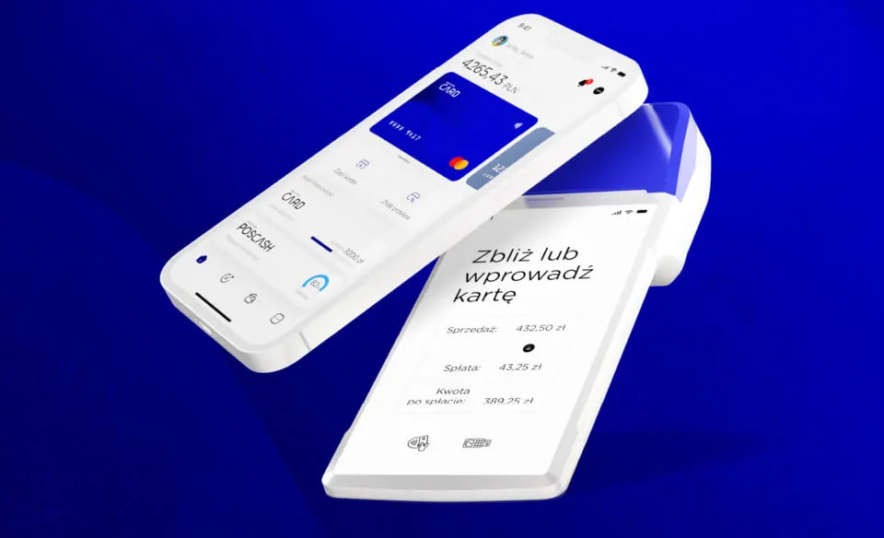
What happened: UniCredit has signed a three-year, €115m receivables purchase agreement with Polish fintech Wealthon to fund the latter's SME lending book. Wealthon continues to originate loans and service customers, while UniCredit buys the receivables on a rolling basis through its Vodeno platform. Wealthon is a Polish fintech founded in 2019, focused on SME and microbusiness lending, with its flagship Poscash product assessing creditworthiness based on daily payment terminal turnover. The new arrangement replaces a previous facility from Fortress-affiliated funds and roughly halves Wealthon's cost of capital, supporting a planned scale-up from around €25m extended in 2025 to up to €230m in cumulative SME financing over three years.
My comment: Interesting to see Vodeno back in the news, which has been pretty quiet since the UniCredit acquisition. Worth remembering that UniCredit invested in and partnered with Berlin-based Banxware on the embedded lending side first, with Vodeno only coming into the picture later through the acquisition. That now puts two embedded SME lending plays into the bank's portfolio. UniCredit's BaaS strategy seems to be leaning much more into lending than into the cards and accounts use cases that dominated the first wave of European BaaS, and that probably reflects where the unit economics actually work for a balance-sheet bank. Strictly speaking, this is not a pure embedded finance deal, since Wealthon is itself a fintech rather than a non-financial brand, but from UniCredit's side, it fits squarely into the same playbook.
Read the full story on Embedded Finance Review
In other Embedded Finance news
- Pleo embeds spend management into iplicit's accounting platform: Pleo has integrated its spend management product directly into iplicit, a UK- and Ireland-focused cloud accounting platform for mid-market businesses. iplicit customers can now issue Pleo cards, set spend controls and use AI-driven spend optimisation natively inside the accounting tool, without ever leaving the iplicit interface. This is the Pleo Embedded product (their B2B2X play), finding a clear vertical SaaS distribution channel rather than going direct to SMEs. (Source)
- Currensea secures Dutch payment licence: UK travel money fintech Currensea has obtained a payment institution licence from De Nederlandsche Bank, which it plans to use as the base for its EU expansion. The company offers co-branded direct debit cards (with partners such as Hilton, Marriott, and United Airlines) that pull funds directly from a customer's existing bank account via open banking, avoiding traditional FX fees. Strictly speaking, this is not embedded finance, but the brand-side travel partnerships make it relevant for our ecosystem. (Source)
- West Japan Railway launches WESTER MIRAI BANK: Japanese rail operator JR West is embedding banking and payments services into its WESTER super-app together with Resona Holdings and Kansai Mirai Bank, building on its existing commuting, shopping and loyalty ecosystem. The model mirrors the Japanese trend of rail operators turning into financial super-apps for their daily-use customer base, the most famous example being JR East's Suica. (Source)
- Deel launches embedded payroll payments in the UK: Global HR and payroll platform Deel has rolled out embedded payment infrastructure for its UK Local Payroll product, allowing UK employers to fund and run payroll directly through the Deel platform without external bank transfers. The move pushes Deel further away from being a pure compliance and contractor management tool toward actual money movement, where the more interesting embedded finance economics tend to sit. (Source)
- Hrmony launches Hrmony Embedded after stealth merger with HelloBonnie: Berlin-based HR-tech Hrmony has launched Hrmony Embedded, a B2B2X play that lets HR platforms, payroll providers and benefits portals embed Hrmony's tax-optimised employee benefits (vouchers, mobility budgets, meal allowances) directly into their own products. The launch follows the merger with HelloBonnie, announced four months ago. (Source)
- Wallester webinar recap on embedded cards beyond banking: Wallester published a recap of its recent webinar on how tech platforms scale revenue with embedded cards, which I joined alongside Alexander Snurnitsyn from HR benefits platform Beneflo. On the build-versus-partner question, Snurnitsyn put it plainly: "Building the entire infrastructure ourselves was never an option. Time-to-market was critical, and we wanted to focus on the HR and employee benefits experience rather than card issuing, compliance, and licensing." (Source)
That's it for this edition. If you enjoy my newsletter, podcast, or events, the best way to support me is to share them with others in your network. Feedback is always welcome, too.
Need help with an embedded finance project? Visit my website and let's talk.
Best wishes from Berlin,
Lars Markull (LinkedIn)


